
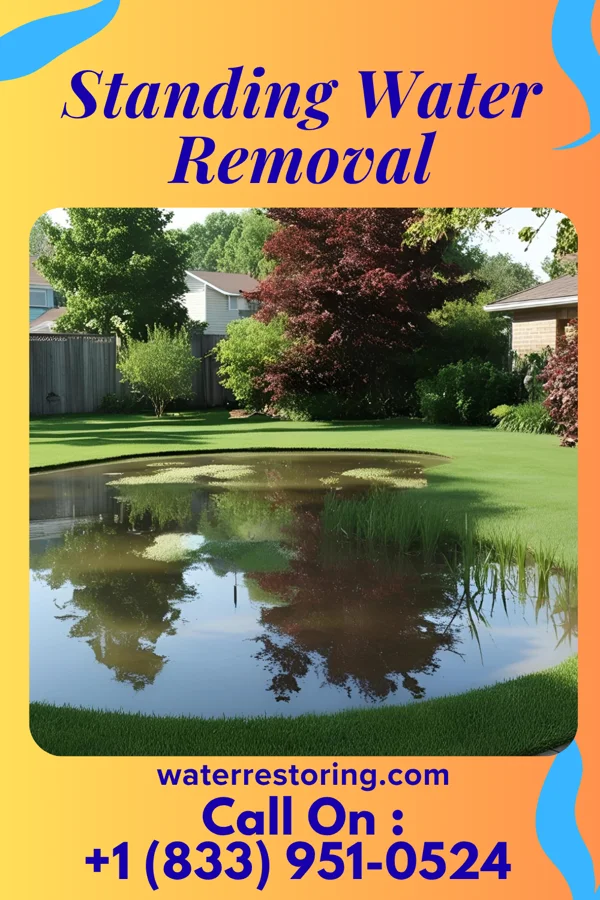
What Makes Wisner Standing-Water-Prone
Living in Wisner means dealing with In Wisner, Nebraska, the primary water damage cause is often due to agricultural runoff and irrigation systems, particularly during the spring thaw and heavy rain events. Additionally, outdated or poorly maintained drainage systems in rural areas contribute to standing water issues. These conditions are exacerbated by the flat terrain and limited natural water flow in the region. sooner or later. A close second is Secondary causes include burst water mains, leaking septic tanks, and flooding from nearby rivers such as the Niobrara River. In some cases, improper storage of farm equipment or chemicals also leads to water contamination and structural damage.. The good news: water damage is fully recoverable when you catch it fast and bring in certified technicians.
Wisner experiences a continental climate with cold winters and warm summers, leading to significant snowmelt in the spring. This, combined with the region's flat landscape, increases the risk of prolonged standing water and subsequent damage to both residential and agricultural properties.
Most standing water removal calls in Wisner come from In Wisner, Nebraska, the primary water damage cause is often due to agricultural runoff and irrigation systems, particularly during the spring thaw and heavy rain events. Additionally, outdated or poorly maintained drainage systems in rural areas contribute to standing water issues. These conditions are exacerbated by the flat terrain and limited natural water flow in the region.. Running a close second is Secondary causes include burst water mains, leaking septic tanks, and flooding from nearby rivers such as the Niobrara River. In some cases, improper storage of farm equipment or chemicals also leads to water contamination and structural damage.. Local mold risk: Due to the high humidity levels and frequent rainfall in Wisner, mold can develop within 48 hours of water exposure. This makes rapid response and mitigation critical to preventing long-term structural and health issues in local homes and buildings.